What We Do
The FSA focuses on advancing policies and increasing funding streams to promote the well-being of children, youth, and families in San Francisco, including working to address the impacts of structural racism and oppression on marginalized communities. By advocating for Children, Youth, and Families and the nonprofit staff who serve them, we can ensure San Francisco remains a place where all families belong and thrive. Additionally, we utilize our collective voice to support efforts at the state and national levels on issues that impact children and families. See our Policy Platform.
Budget Wins
Through tireless advocacy with local and statewide coalitions, FSA has helped secure substantial investments in families to ensure supports arrive before a crisis.
- Continuation of millions of dollars in Baby Proposition C funds for childcare and early childhood education.
- In 2025:
- Restoration of over $20 million in flexible rental subsidies and Rapid Rehousing programs for families experiencing housing instability, along with further targeted supports such as specialized RV support and domestic violence shelter vouchers.
- Partial restoration of legal aid funding for families navigating custody and divorce.
- Restoration of over $20 million in flexible rental subsidies and Rapid Rehousing programs for families experiencing housing instability, along with further targeted supports such as specialized RV support and domestic violence shelter vouchers.
- In 2024: A 3.75% Cost-of-Doing Business increase on nonprofit general fund contracts, and an additional 1% increase on health and homelessness contracts.
- In 2023: Secured $1.2 million of basic needs funding for families.
- Since 2020:
- $17.5 million in additional city funding for FRCs.
- More than $700,000 secured for FRCs through state funding.
- Several millions of dollars of proposed budget cuts to FRCs restored.
- $17.5 million in additional city funding for FRCs.
Policy Wins
- Contributions to the successful development and implementation of legislation to reform California’s Mandated Reporting system, with a focus on safely keeping families together in times of economic challenge.
- Advocacy and support in drafting of Assembly Bill 2085 (Holden) (signed 9/29/2022). AB 2085 modifies the definition of reportable general neglect by clarifying that “economic disadvantage” is not general neglect and that a child must be at “substantial risk” of suffering serious physical harm or illness.
- Helped to lead the formation and advancement of the statewide Mandated Reporting to Community Supporting Task Force, including its final report and recommendations. Now continued into implementation and in statute (SB 119) as the Mandated Reporting Advisory Committee.
Policy Infrastructure & Engagement
- In 2025: Built a coordinated infrastructure that mobilizes family support organizations around shared advocacy priorities, thereby significantly expanding advocacy capacity and creating opportunities for member engagement and public awareness. FSA members actively participate in budget hearings, provide public testimony, and engage directly with policymakers to elevate the needs of families across San Francisco.

We work to ensure the ongoing financial sustainability of family support organizations in San Francisco. We do this through local, state, and federal budget advocacy; increasing organizations’ ability to understand and draw down on local, state, and federal funds such as those through Medi-Cal and the Family First Prevention Services Act; private fundraising and subgrants; and representation of family support organizations in coalitions advocating for increased wages and contract support for the social services sector.
Grant Funding
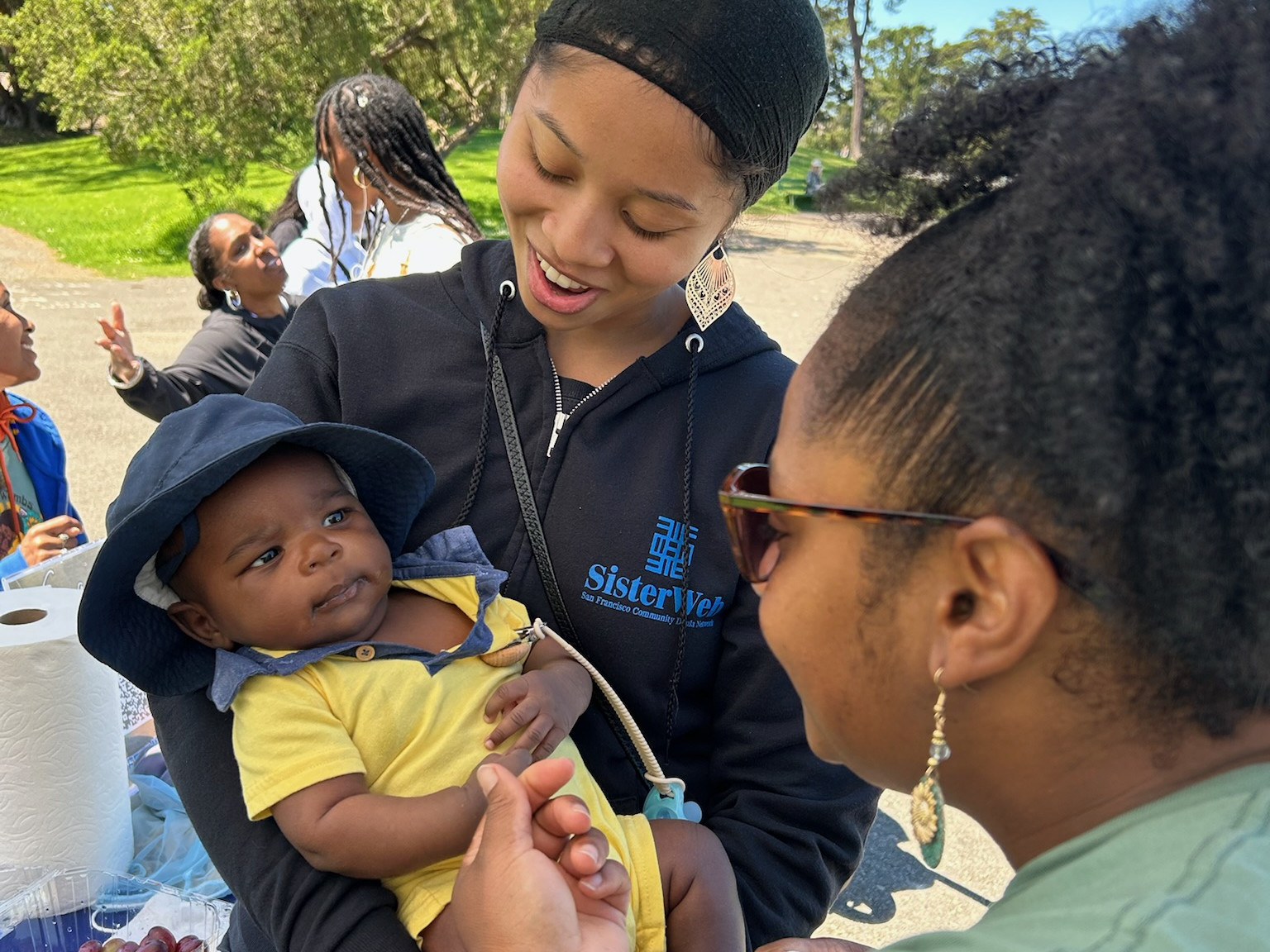
Since 2020, Safe & Sound has raised over $13 million for the Family Services Alliance and related work from public and private sources. The funds support projects and pilots that provide basic needs, grow capacity within vulnerable communities, and create partnerships across systems.
Medi-Cal Reimbursements
In 2025, FSA embarked on a project to help our members navigate the complex and challenging Medi-Cal process so they could tap into this significant and sustainable revenue source for family support work. We provided technical assistance to members interested in contracting for Enhanced Care Management, Community Supports, and Community Health Worker services. Four new providers are on their way to completing their contracts with Managed Care Plans, with more shortly behind. FSA organizations also continue to reap the benefits of the Medical Administrative Activities (MAA) project – approximately $500,000 into FRCs each year.
We promote high quality care to children and families in San Francisco through various capacity-building efforts, particularly training for staff of family-serving organizations so they are equipped to handle changing needs and incorporate best practices. By investing in people, we strengthen the local workforce and foster collective resilience to meet the evolving needs of children, families, and service providers. We also support organizational capacity projects, such as developing methods to collect data demonstrating joint outcomes and providing financial support for infrastructure and staff development.
Training
In 2024-2025, the Family Services Alliance built community capacity by:
- Delivering 55 culturally responsive training sessions to 957 professionals through both in-person and virtual formats to ensure broad accessibility. Trainings covered critical topics including Trauma-Informed Care, Racial Equity, Crisis Response, Case Management, Family Economic Success, and Protective Factors.
- Offering certificated Pathway Programs in Case Management, and certifying over 17 professionals while establishing clear career advancement pathways for family-serving staff.
- Consistently surveying participants to ensure high levels of satisfaction and learning quality, with an average rating of 4.65 out of 5.
Workforce Development
In 2025, FSA launched a pilot program to train and host Community Health Worker and Doula apprentices within partner organizations. This initiative creates meaningful career pathways for community members with lived experience, providing them with the professional development, mentorship, and support needed to grow in the family support and maternal health fields.
Networking
In 2024-2025, the Family Services Alliance fostered a robust network of family-serving organizations dedicated to advancing equity and strengthening family well-being across San Francisco, this included:
- Holding 5 Protective Factors Learning Communities, engaging 36 staff from 10 member agencies participating in Safe & Sound’s Communities of Care Project, which centers on culturally responsive support grounded in the Strengthening Families Protective Factors Framework.
- Hosting 3 All-Member Meetings, including an in-person gathering that facilitated deep collaboration, resource sharing, and strategic discussions on racial equity and partnership development.
- Sponsoring quarterly forums that provided space to align member training needs, enhance DEI efforts, and co-create tailored supports for Black and Brown families.
The result was nearly 3,000 visits to the Family Services Alliance website and social media platforms demonstrated an active and engaged audience seeking to connect, learn, and access resources.

We are committed to increasing support for families throughout San Francisco by fostering collaboration among family-serving organizations. Our mission is to break down silos so families and children don’t get lost in the system and receive the comprehensive, timely, and compassionate care they deserve. By partnering with pediatric clinics, early childhood education centers, and public benefits providers, we bring services directly to families, meeting them where they are and when they need it most.
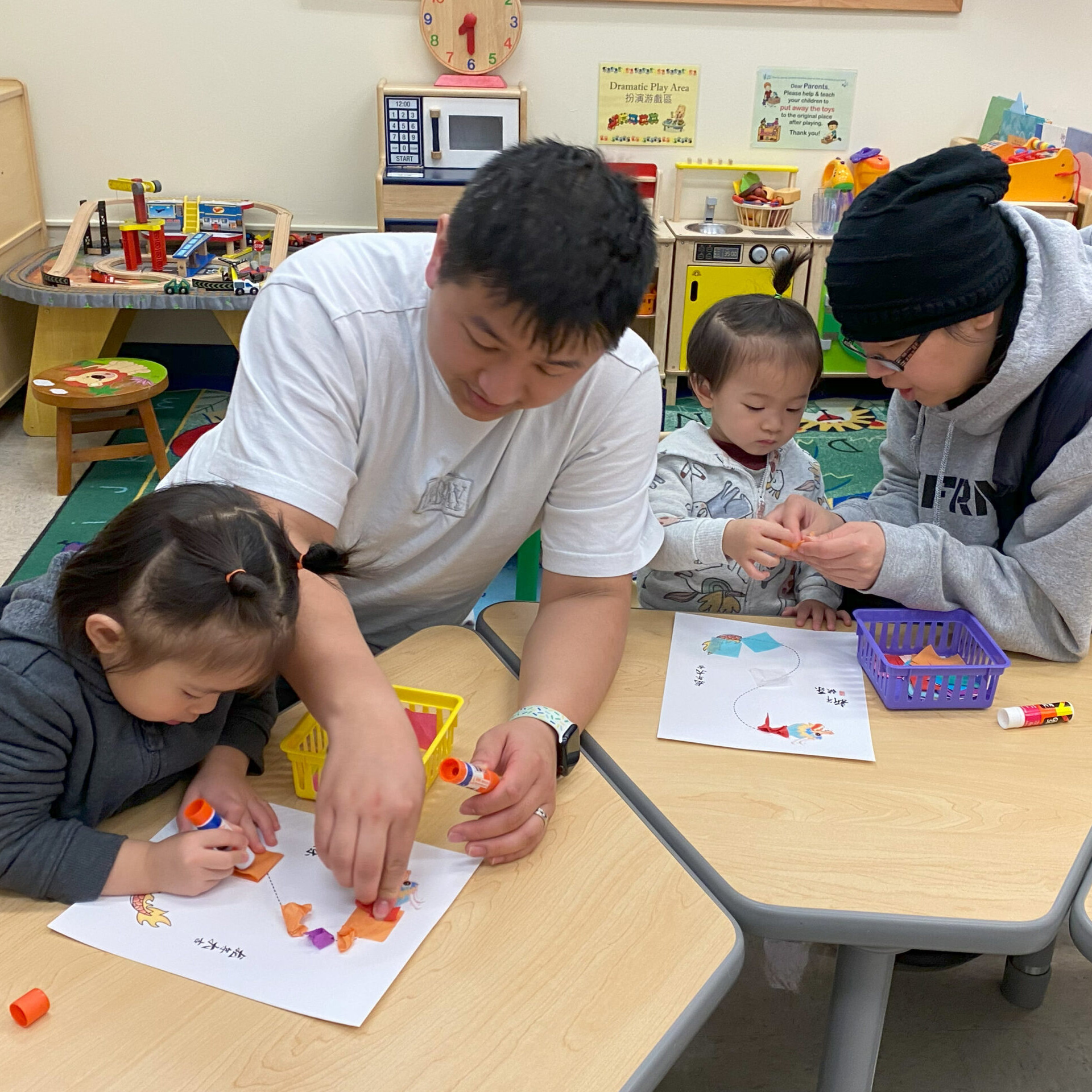
FSA increases coordination among agencies that support children and families so that families are better able to access the services and supports they need.
- Active participation in San Francisco’s development of its Comprehensive Prevention Plan through the Family First Prevention Services Act initiative. This project brings together child welfare and Family Resource Centers in order to better prevent child abuse and neglect.
- Provide funding for five projects to link family support organizations with pediatric healthcare agencies or early childhood education programs and related MOUs, policies, and protocols to ensure that children and families are better connected to the resources they need in the places where they are. The work has resulted in significantly decreased wait times for services, strengthened connections in trusted environments, and new pathways for community engagement.
- Advancing a Closed Loop Referral (CLR) system. This technology will enable FSA members and cross-sector partners to seamlessly share resources, track referrals, and ensure families receive timely support without falling through the cracks.