About Us
A membership organization working collectively to achieve quality programs, coordination of resources and services, and essential policies that support all San Francisco families.
The Family Services Alliance (FSA) works collectively for all of San Francisco’s children and families through an alliance of family support organizations. FSA accomplishes this through high-quality and sustainable programming; organizational capacity-building; coordination of resources and services; opportunities for families and children; and joint advocacy to promote policies and practices that help families and children thrive.
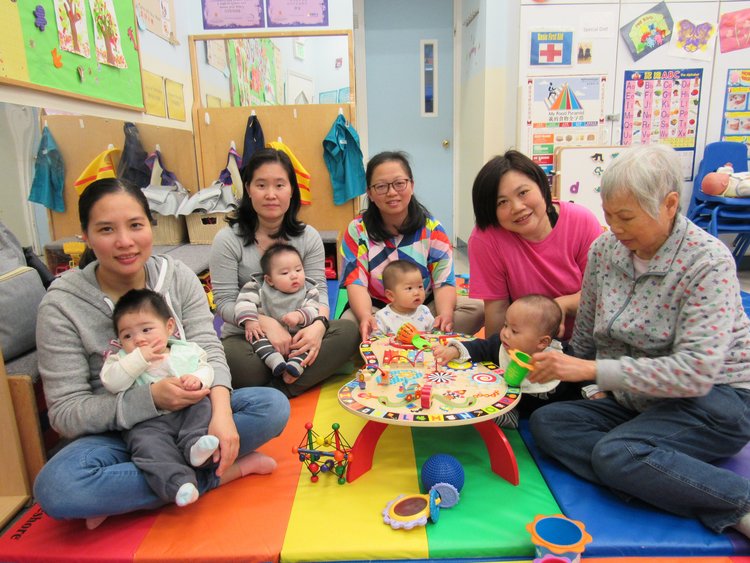
The Family Services Alliance will endeavor to build a San Francisco where all families have access to the resources, support, and opportunities necessary to reach their full potential with dignity and self-determination. When families have this access, they will make up a more vibrant, diverse, and healthy city for all.The foundation for our vision is a belief that when families and children are healthy, communities thrive. We seek to balance the urgent day-to-day needs of families with this visionary narrative of the future.
- Centering Vulnerable and Marginalized Communities
- Empowering Families to Address Individual and Systemic Racism
- Prioritizing Economic Justice and Universal Access to Basic Needs
- Building Upon Family Strengths and Enhancing Protective Factors
- Establishing a Two-Generation Approach
- Lifting up Community Voices
- Supporting Direct Services for Families
- Ensuring High-Quality Services
- Reinforcing and Supporting Rich Diversity
- Paying Attention to the Social Determinants of Health
- Promoting Effective Public Policy to Support Family Resource Centers and Family-Serving Organizations
All member organizations of the Family Services Alliance fall within the California definition of a “Family Resource Center.” The California Welfare & Institutions Code Section 18951(g) defines a Family Resource Center as “an entity providing family-strengthening services that are embedded in communities, culturally sensitive, and include cross-system collaboration to assist in transforming families and communities through reciprocity and asset development based on impact-driven and evidence-informed approaches with the goal of prevention of child abuse and neglect and strengthening children and families.”
Families thrive when they have resources, networks, and strong community support. Unfortunately many communities and families have experienced generational disinvestment and harm. Family support organizations interrupt this cycle by taking a two-generation approach to play a critical role in strengthening families and building strong, healthy, and resilient communities by:
Building Supportive Communities
Family support organizations foster a sense of community and social cohesion among neighbors by creating welcoming and inclusive spaces and events where families can connect, share experiences, and support one another. This community engagement helps to build social networks that are crucial for emotional and practical support.
Creating Environments Responsive to Family Needs
Family support organizations are based in the community and are accountable to the communities they serve, ensuring that services are responsive to the cultural, linguistic, and social needs of diverse populations in each community. This approach fosters an inclusive environment where all families feel welcome and supported, ensuring that more families receive the support they need.
Providing Centralized Access to Resources and Services
Family support organizations act as a one-stop hub, providing basic needs, case management, and resource referrals to help families access a variety of services, such as healthcare, mental health services, housing assistance, and employment resources. This centralized access reduces the barriers families face in obtaining the help they need.
Ensuring Educational and Developmental Support for Children
Family support organizations often offer early childhood education programs, after-school activities, and developmental screenings.These programs help children reach their full potential and provide a strong foundation for future success.
Partnering with Families to Strengthen their Parenting Skills and Abilities
Family support organizations offer a wide range of services aimed at strengthening and supporting families.This includes parenting classes, educational workshops, counseling, support groups, and leadership development. Family support organizations also empower families by providing them with knowledge and tools needed to advocate for themselves and their children. These supports and services help families create nurturing environments for children, build resilience, and enhance their self-sufficiency.
Helping Prevent Child Abuse, Neglect, and Trauma
By providing early intervention services and resources and strengthening family Protective Factors, family support organizations play a crucial role in preventing child abuse, neglect, and trauma. They offer support and guidance to families facing challenges and partner with them to enhance their strengths. This can help families address issues before they escalate into crises.
Family Support Organizations (FSOs) are proven, community-based hubs that strengthen families and improve child and family well-being by building protective factors, like parental resilience, strong parent-child relationships, and social connection. Communities with FSOs see fewer child maltreatment investigations and lower child welfare involvement because families get support early, before challenges escalate. FSOs also deliver strong returns on investment by reducing costly system involvement and helping families meet concrete needs, like food, housing, and other essentials, that keep stress from turning into crisis.
Increase Protective Factors
Research has shown that FSOs improve a family’s wellbeing by strengthening parent-child relationships, strengthening social connections between families, and contributing to parental and child well-being. For example, in New York, Family Resource Center participants showed a 12% increase in Parental Resilience after receiving services, and families who were at higher risk improved their Parental Resilience by 31%. See the Research
Significantly Reduce Child Abuse and Neglect
Communities with FSOs have significantly lower rates of child maltreatment investigations compared to those communities without. Equally promising is that families engaged in FSO services are less likely to be referred back to child welfare or enter the system, than those who do not receive these services. Research shows that by prioritizing strengthening families first, FSOs decrease child welfare involvement by 63% in their communities. See the Research
Show a Powerful Return on Investment
Investing in FSOs yields remarkable returns; for every dollar invested, FSO networks generate an impressive $4.70 in immediate and long-term benefits. Research shows that in California, an FSO can generate $3.65 per dollar invested in savings to the child welfare system over a two-year period by reducing child maltreatment cases. See the Research
Offer Life-Changing Concrete Supports
FSOs help reduce poverty, a key factor in reducing child abuse and neglect, by providing flexible economic support and access to essential resources. By acting as crucial community hubs, FSOs connect families to a vast network of resources beyond their direct services, foster long-term resilience and generate immeasurable benefits that positively impact families and communities for generations. A recent literature review found that 20 out of 24 studies (1990-2023) demonstrated statistically significant positive effects of economic and concrete support, highlighting their effectiveness in preventing child maltreatment and reducing child welfare system involvement. See the Research
San Francisco Shines as a Model for Family Support Organization Success
Since FRCs launched in 2009, San Francisco has seen a 52% reduction in the rate of children in foster care and a 60% drop in substantiated child maltreatment. Research shows that family support services in San Francisco improve family functioning and reduce child abuse risk by enhancing parenting skills, emotional well-being, and support systems through coordinated case management. See the Research

Executive Director of
Family Connections Centers

Executive Director of
Good Samaritan Family Resource Center
stronger systems, communities, and families
2024 The Family Services Alliance launched.
2023 The members of the FRC Alliance and SFFSN voted to join together, allowing us to expand our collective impact by building on our strengths in capacity-building and advocacy to enhance quality services and secure resources and policies to support thriving families and communities.
2022 Department of Early Childhood provides funding for the unification of the FRC Alliance and the San Francisco Family Support Network (SFFSN).
2018 FRCs joined together to create the FRC Alliance with the goals of: (i) expanding capacity to serve the growing and intensified needs of families; (ii) strengthening the financial sustainability of FRCs; and (iii) increasing the impact of advocacy for the needs of families.
2009 The Family Resource Center (FRC) Initiative was created as a network of 26 high-quality family support centers located in neighborhoods throughout the city and based on state-wide Standards of Quality for Family Strengthening and Support. The Initiative is funded by the Department of Children Youth and their Families (DCYF), Department of Early Childhood (DEC) (formerly First 5 San Francisco), and San Francisco Human Services Agency (HSA).
2004 The San Francisco Family Support Network (SFFSN) was founded as a membership organization, and has worked collectively to provide training and technical assistance for quality programs, coordination of resources, and policies that support all San Francisco families.